
Picquart and Dreyfus
An Officer and a SpyThis thread traces Picquart’s changing view of a former student, from prejudice and complicity to recognition of innocence, advocacy, and an uneasy final encounter.
increasing Bearing strength in each event
 decreasing
Bearing strength in each eventdecreasingTeacher and Student
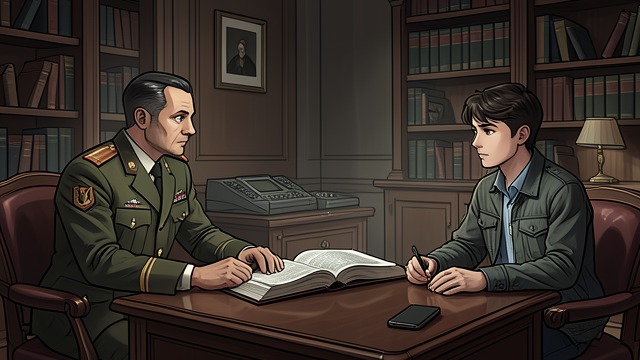
Teacher and Student
An uneasy acquaintance
Georges Picquart taught Alfred Dreyfus at the École Supérieure de Guerre. He remembers him as intelligent but uncongenial and regards his wealth and Jewish identity through inherited prejudice.
Distance misread as character
Picquart interprets Dreyfus’s social awkwardness as arrogance. Their limited contact leaves room for stereotype to shape his judgment when the accusation arrives.
The Guide to Arrest

The Guide to Arrest
Trust exploited
Picquart greets Dreyfus at the Ministry of War and leads him toward the staged arrest, allowing the operation to proceed without warning. Dreyfus trusts a former teacher enough to follow.
A remembered betrayal
The moment later becomes a central moral burden for Picquart. He had not designed the arrest, but his cooperation helped deliver Dreyfus into a trap.
A Voice in the Letters

A Voice in the Letters
A private person emerges
While reviewing censored correspondence, Picquart reads Dreyfus’s desperate letters to Lucie. The formal, awkward officer appears as a husband and father enduring an ordeal.
Sympathy without belief
Picquart still doubts Dreyfus’s innocence, but the correspondence disrupts his easy assumptions. The human cost becomes harder to treat as an abstract security measure.
Recognition of Innocence
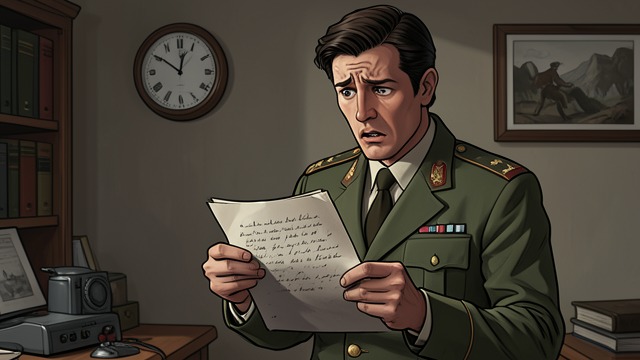
Recognition of Innocence
Evidence changes the relationship
When Esterhazy’s handwriting matches the bordereau, Picquart understands that Dreyfus may have been condemned for another man’s crime. He revisits his own role and the secret evidence.
Duty becomes personal
Picquart has no affection for Dreyfus as a close companion, yet he recognizes his innocence as an obligation. Their connection is built less on intimacy than on a belated act of justice.
The Minister’s Visitor
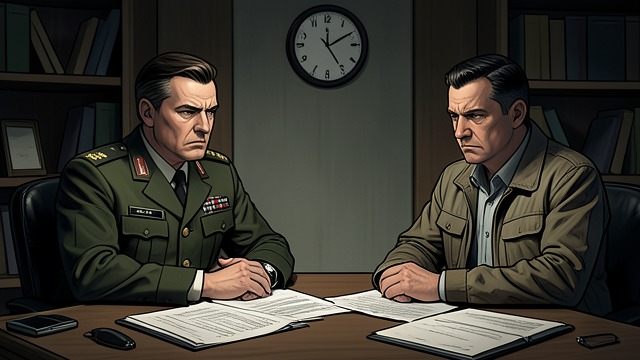
The Minister’s Visitor
A delayed meeting
As Minister of War, Georges Picquart receives Major Dreyfus and hears his request for promotion. Dreyfus argues that his years of wrongful imprisonment should count toward rank.
Respect with friction
Picquart refuses, citing political impossibility, and apologizes for his part in the arrest. Dreyfus acknowledges Picquart’s duty, but their final conversation remains constrained by old injury and institutional compromise.
1890–1894
15 October 1894
1895
August 1896
November 1906
